45
Years Of Business
Reinforce the Underside After Launching or Grounding
Boat Bottom Repair in Appling for hull damage from trailer contact, underwater debris, or repeated launching
Fiberglass Repairs Inc provides boat bottom repair to restore damage to the underside of hulls caused by trailer contact, grounding on rocks or sandbars, or repeated stress from launching and loading. You may see gouges along the keel where the trailer bunk has worn through the gelcoat, cracks radiating from a hard impact with submerged debris, or delamination where the outer skin has separated from the hull core. These conditions compromise the hull's watertight integrity and can affect performance, fuel efficiency, and safety on the water.
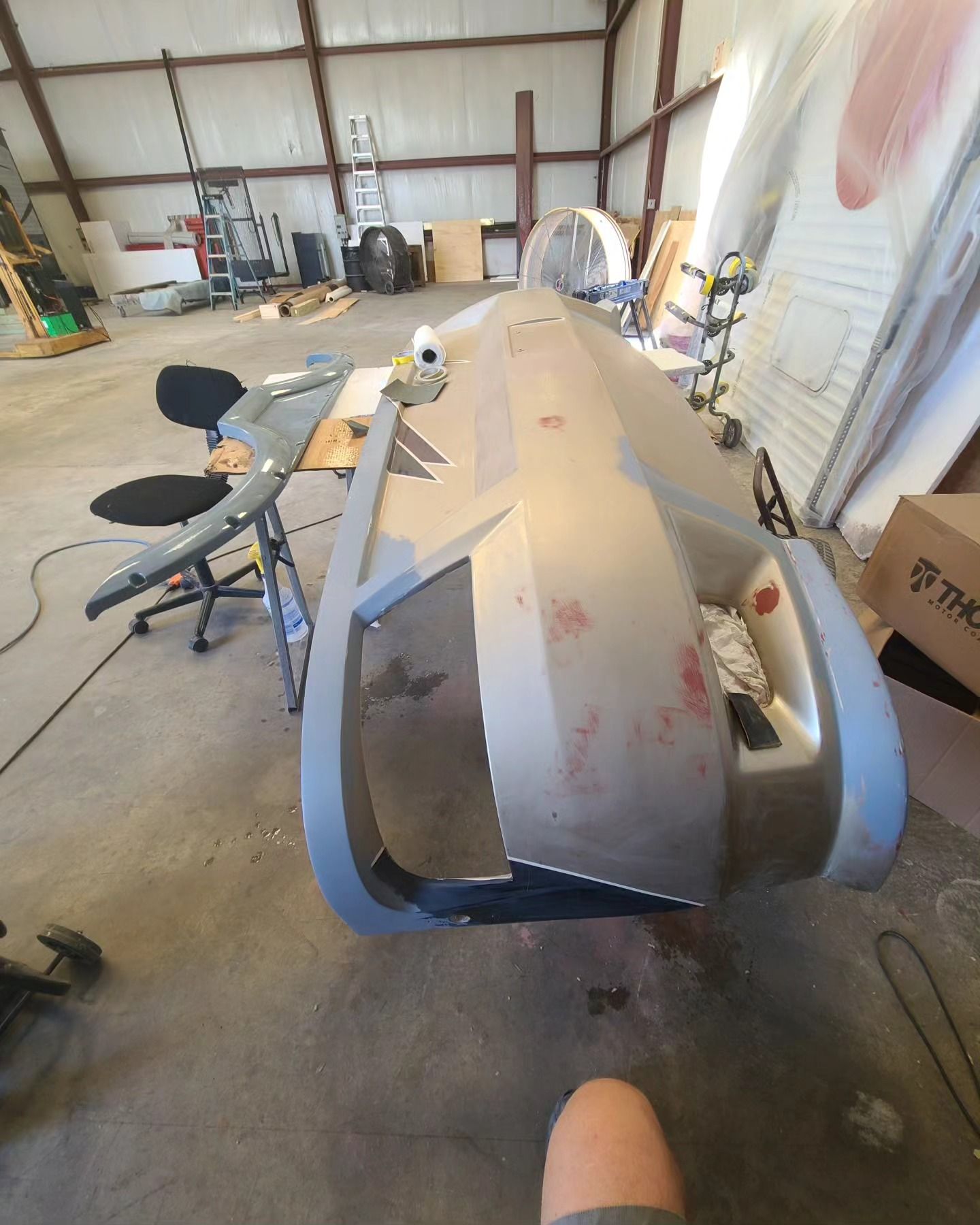
Technicians rebuild the damaged fiberglass layers by grinding away compromised material, laying up new resin-saturated cloth, and refinishing the bottom surface to restore smoothness and strength. Boats used frequently on local lakes and rivers often require occasional bottom repair due to wear from launching ramps, shallow water navigation, and contact with submerged obstacles. Maintaining the boat's bottom helps preserve structural durability and ensures the hull performs as designed.
Contact Fiberglass Repairs Inc to inspect your hull and recommend the appropriate repair solution based on the location and extent of the damage.
Rebuilding Hull Layers to Restore Strength and Smoothness
You will see the damaged area ground back to sound fiberglass, with any fractured or delaminated material removed entirely. Technicians apply multiple layers of fiberglass cloth saturated with marine-grade epoxy resin, building up the thickness to match the surrounding hull. Each layer is rolled carefully to eliminate air pockets and ensure full adhesion, which prevents voids that could allow water intrusion or weaken the repair under stress.
Once the fiberglass has cured, you will notice the bottom surface is rigid, smooth, and free of the soft spots or flexing that indicated delamination. Fiberglass Repairs Inc refinishes the bottom with gelcoat or barrier coat, depending on the hull's existing finish, so the repair is protected from water absorption and provides a smooth surface that does not create drag. The hull will handle normally on the water, and you will not feel unusual vibration or loss of speed caused by rough or uneven bottom surfaces.
Repairs do not include removal and reinstallation of through-hull fittings, transducers, or trim tabs unless specifically arranged. If bottom damage has affected internal stringers or flotation foam, those components are assessed separately and may require additional structural work.
What Boat Owners Ask About Hull Bottom Repairs
Boat owners in Appling often ask how bottom damage affects performance and whether repairs will be visible when the boat is on the trailer.
What types of damage are most common on boat bottoms?
Trailer wear along the keel and chines, gouges from grounding on rocks or stumps, and stress cracks near the transom from repeated loading are the most frequent bottom damage issues seen on boats used in freshwater environments.
How do you ensure the repaired bottom is smooth enough not to affect speed?
Technicians sand the cured fiberglass repair with progressively finer grits and apply a finish coat that is faired flush with the surrounding hull, then check the surface with a straightedge to confirm there are no high spots or depressions.
Why does delamination occur on boat bottoms?
Delamination happens when water seeps through cracks or poorly sealed seams and breaks the bond between the outer gelcoat layer and the fiberglass laminate underneath, often due to repeated flexing or impact stress that opens microscopic pathways for moisture.
When should you haul the boat out for bottom inspection?
You should inspect the bottom after any hard grounding, at the beginning and end of each season, and whenever you notice changes in handling, unusual vibration, or soft spots when pressing on the hull while the boat is out of the water.
What happens if bottom damage is not repaired promptly?
Water will continue to penetrate the compromised area, spreading delamination to adjacent sections, saturating core materials, and weakening the hull structure to the point where larger and more costly repairs become necessary.
Reach out to Fiberglass Repairs Inc to schedule a hull inspection and discuss the repair process that will restore your boat's bottom to smooth, watertight condition.