45
Years Of Business
Restore Hull Strength After Dock or Trailer Damage
Boat Fiberglass Repair in Appling for hulls cracked by impact, grounding, or trailer stress
Fiberglass Repairs Inc provides boat fiberglass repair to restore hulls, decks, and structural components damaged by collisions, dock contact, or long-term stress. You may notice cracks radiating from a high-impact zone, soft spots where fiberglass has delaminated, or hairline fractures along the keel after repeated trailer loading. These conditions allow water to enter the hull's core, which weakens the structure and can lead to rot or further cracking if left unaddressed.
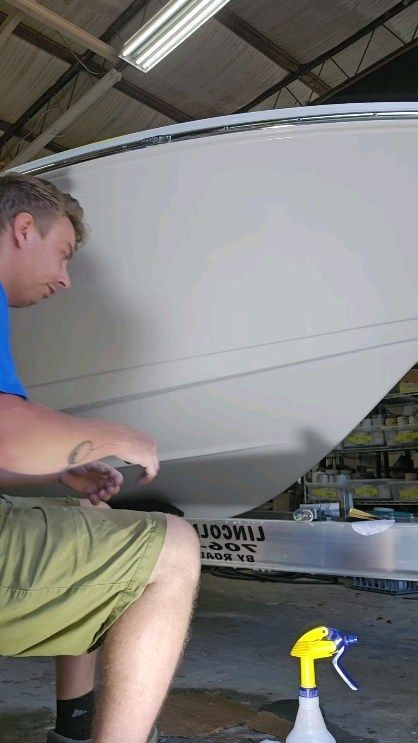
The repair process involves grinding away damaged fiberglass, rebuilding the layers with resin-saturated cloth, and refinishing the surface to match the surrounding gel coat. Technicians work through each layer carefully to restore both the appearance and the structural integrity of the hull. Boats used on local lakes and rivers are especially prone to grounding damage on submerged rocks or sandy shoals, and trailer stress cracks often develop near the transom or along chine seams where flexing is greatest.
Contact Fiberglass Repairs Inc to schedule an evaluation of your boat's damage and discuss the scope of restoration needed.
Rebuilding Fiberglass Layers to Prevent Water Intrusion
You will see the damaged area ground back to sound material, exposing the underlying laminate so new fiberglass can bond properly. Technicians apply multiple layers of fiberglass cloth saturated with marine-grade resin, building up thickness until the repair matches the original hull structure. Each layer is rolled and pressed to remove air pockets, which ensures the repair cures without voids that could trap moisture or weaken over time.
Once the fiberglass has cured, you will notice the repaired section is smooth, solid to the touch, and blends visually with the rest of the hull. Fiberglass Repairs Inc refinishes the surface so the color and gloss match the surrounding gelcoat, making the repair nearly invisible unless you know where to look. The hull will no longer flex in the damaged area, and water will not seep into the core during launching or while the boat sits in the water.
Repairs do not include interior liner replacement or electrical work behind damaged panels. If the impact has compromised flotation foam or internal stringers, those elements are assessed separately and may require additional work beyond the fiberglass layup itself.
What to Expect During Fiberglass Hull Repair
Boat owners in Appling often ask how fiberglass repairs hold up under repeated use and whether the work will be visible once complete.
What tools are used to grind back damaged fiberglass?
Technicians use angle grinders fitted with coarse abrasive discs to remove fractured material and taper the edges of the repair zone, which allows the new fiberglass to feather into the existing laminate without creating a hard ridge.
How long does the resin need to cure before the boat can return to the water?
Most marine epoxy systems cure fully within 24 to 48 hours under normal temperatures, but you should wait until the surface has been sanded and refinished before launching to avoid exposing raw fiberglass to water.
Why does fiberglass crack near the transom more often than other areas?
The transom experiences high stress from the outboard motor's weight and vibration, and repeated flexing from trailering can cause cracks to form along fastener holes or where the hull transitions to the transom plate.
When should you repair a crack instead of monitoring it?
You should repair any crack that penetrates through the gelcoat into the fiberglass laminate, since water intrusion will worsen the damage and spread into the core materials even if the crack appears small on the surface.
What happens if the repair is not color-matched correctly?
The structural integrity remains intact, but the visual mismatch may be noticeable in direct sunlight, especially on darker hulls where gelcoat fading creates color variation across different sections of the boat.
Reach out to Fiberglass Repairs Inc to arrange an inspection of your hull and receive a detailed assessment of the fiberglass work required to restore your boat's structure and appearance.