45
Years Of Business
Restore Color and Protection to Chipped Surfaces
Gelcoat Repair in Appling for scratches, chips, and cracks caused by impacts or sun exposure
Fiberglass Repairs Inc provides gelcoat repair to restore the protective outer layer on boats and fiberglass structures. You may notice chips along the gunwale where fenders have rubbed, deep scratches on the deck from dragged equipment, or small cracks radiating from a point of impact. These surface flaws expose the underlying fiberglass laminate to water and ultraviolet light, which accelerates deterioration and makes the damage spread over time.
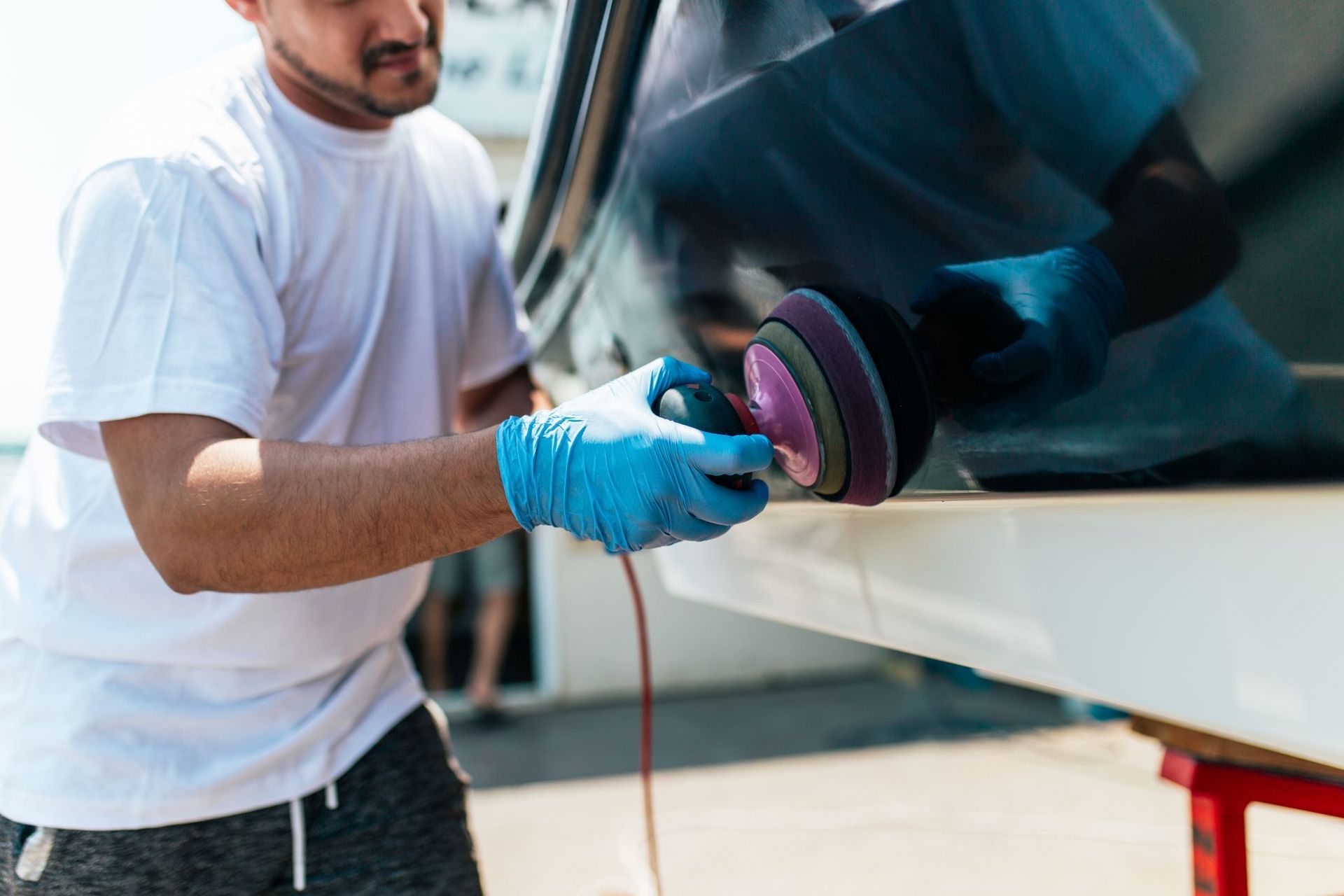
The repair process involves preparing the damaged area, mixing gelcoat to match the existing color, and applying new material so it blends seamlessly with the surrounding surface. Technicians sand and polish the repair to restore both the protective function and the visual consistency of the gelcoat layer. Proper gelcoat repair prevents moisture intrusion and helps extend the lifespan of fiberglass that is regularly exposed to water and sunlight.
Schedule an inspection with Fiberglass Repairs Inc to determine the best repair approach for your boat or fiberglass structure.
Matching and Applying Gelcoat for Seamless Results
You will see the damaged area sanded to remove loose material and contaminants, creating a clean bonding surface for the new gelcoat. Technicians mix resin and pigment to match the color of the surrounding surface, testing the blend on a hidden section if necessary to ensure accuracy. The gelcoat is then applied in thin layers, allowing each coat to partially cure before adding the next to build up the thickness without trapping air or creating sags.
Once the gelcoat has fully cured, you will notice the repaired area is smooth, glossy, and visually consistent with the rest of the surface. Fiberglass Repairs Inc sands and buffs the repair to eliminate any texture differences and restore the shine, making the repair difficult to detect unless you know exactly where it was done. The gelcoat layer will once again protect the fiberglass from water penetration and ultraviolet degradation.
Repairs do not address underlying fiberglass damage or structural cracks that extend deeper than the gelcoat layer itself. If the damage has compromised the laminate beneath, those issues require fiberglass layup work before gelcoat can be applied.
What Boat Owners Should Know About Gelcoat Work
Boat owners in Appling often ask how gelcoat repairs hold up to repeated water exposure and whether color matching is exact on older boats with faded finishes.
What is the difference between gelcoat and paint?
Gelcoat is a pigmented resin applied during manufacturing that becomes part of the fiberglass structure, while paint is a topcoat that sits on the surface and does not bond chemically to the laminate underneath.
How do you match gelcoat color on a boat with faded surfaces?
Technicians use color-matching systems that account for fading and may blend the repair with a slightly lighter or darker tone to match the weathered appearance of the surrounding gelcoat rather than the original factory color.
Why do gelcoat cracks appear even without obvious impact?
Gelcoat can crack due to flexing of the underlying fiberglass, thermal expansion and contraction, or stress concentration around fasteners and hardware, especially on boats that sit in direct sun for long periods.
When should you repair a gelcoat chip instead of leaving it?
You should repair any chip that exposes the fiberglass cloth or resin beneath, since water will wick into the laminate through the exposed area and cause delamination or blistering over time.
What surface preparation is required before applying new gelcoat?
The area must be cleaned with solvent to remove wax and oils, then sanded to create a rough texture that allows the new gelcoat to bond mechanically, since gelcoat does not adhere well to smooth or glossy surfaces.
Contact Fiberglass Repairs Inc to arrange a color-matching consultation and schedule gelcoat repair that restores both the protective function and appearance of your boat's exterior surfaces.